
Introduction
E-invoicing is becoming a major finance and tax technology priority. Governments are moving from paper or PDF-based processes towards structured electronic invoices and, in some jurisdictions, digital reporting of transaction data. This affects how businesses issue, receive, validate, store and reconcile invoices.
The term e-invoice does not simply mean a PDF sent by email. A structured e-invoice contains data in a defined format that can be processed automatically by compatible systems or networks.
Why e-invoicing is accelerating
Structured invoice data can improve processing efficiency, reduce manual entry and help tax authorities receive transaction information more consistently. It can also support faster validation and better matching between purchase orders, invoices and payments.
The rules are not identical worldwide. Countries differ in scope, thresholds, formats, networks, deadlines, exemptions and reporting requirements. Businesses operating across borders should not assume one country's process satisfies another country's obligations.
What businesses should prepare
### Review invoice data quality
Check that customer and supplier names, addresses, tax identifiers, invoice numbers, dates, line descriptions, tax rates and totals are complete and consistent.
### Review software capability
Ask your accounting or ERP provider which structured formats and networks are supported, whether local compliance updates are included and how failed or rejected invoices are handled.
### Map the invoice workflow
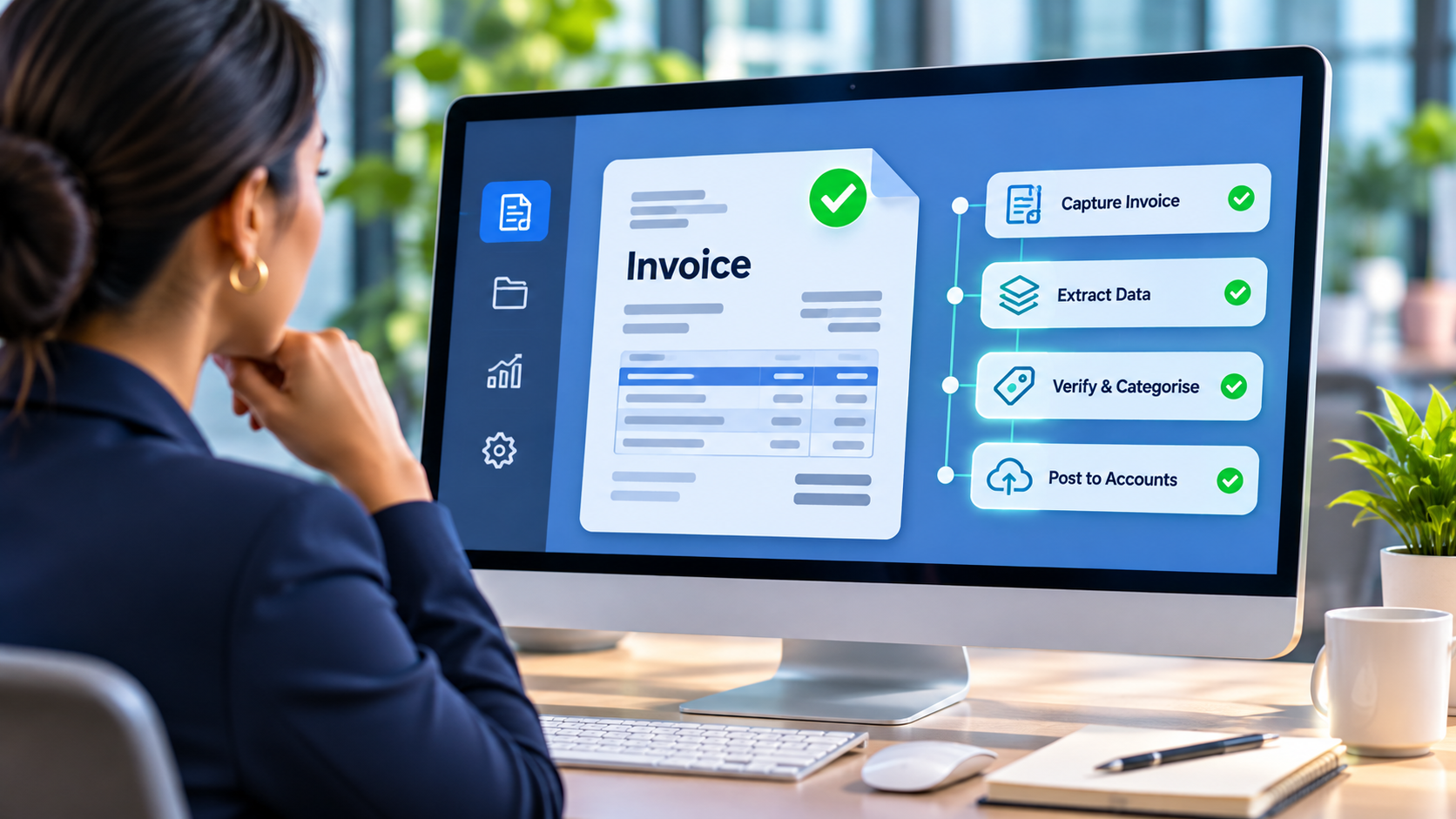
Document how invoices are created, approved, transmitted, received, matched, posted and archived. Identify manual steps and duplicate data entry.
### Prepare supplier and customer records
Incomplete master data can cause invoice rejection or delays. Agree who is responsible for collecting and validating required details.
### Keep evidence and audit trails
Maintain records of invoice submission, acceptance, rejection, corrections and approvals according to local retention requirements.
Examples of changing requirements
The 2026 landscape includes structured e-invoicing developments in parts of Europe, while the UK has published a roadmap for VAT e-invoicing from April 2029. Singapore has announced a phased expansion of its InvoiceNow-related GST requirements from 2028. The UAE is also moving towards a phased e-invoicing programme. These examples illustrate why businesses must check the current official rules for each jurisdiction and business category.
Common mistakes
- Treating a PDF invoice as equivalent to a structured e-invoice.
- Waiting until the deadline to test software and master data.
- Assuming every supplier uses the same network.
- Failing to monitor rejected invoices.
- Not assigning ownership for compliance updates.
- Ignoring cross-border transactions and local exemptions.
FAQs
### Is e-invoicing mandatory everywhere?
No. Requirements vary by country, transaction type, taxpayer category and implementation date.
### Does accounting software automatically make a business compliant?
Not necessarily. The software, configuration, network connection, invoice data and business process all need to meet applicable local requirements.
### Should small businesses prepare now?
Yes. Even where a mandate is not immediate, improving invoice data and digital workflows can reduce future disruption.
ACCIT BPO support
ACCIT BPO supports bookkeeping workflows, accounting-system processes, invoice records and reconciliations. We can help businesses review their current invoice handling process and identify practical preparation steps.
Contact ACCIT BPO to discuss your accounting workflow and e-invoicing readiness. This article is general information, not jurisdiction-specific tax or legal advice.